
Do You Need Jet Ski Insurance in the UK? A Comprehensive Guide.
Whether you need insurance for a jet ski in the UK isn’t a simple yes or no. Unlike cars, where having at least liability insurance is a legal requirement, jet ski owners aren’t legally required to be insured. However, there are situations where you may be asked to show proof of cover, while having insurance can help protect you from the potentially high costs if something goes wrong.
This guide explains the different types of jet ski insurance available and when they might be either required or simply worth having for peace of mind. It also looks at what affects the cost of insurance and offers practical tips on how to keep the price down. Finally, it outlines what to do if you need to make a claim, along with simple steps to help ensure your claim is accepted.
What Can Jet Ski Insurance Cover?
1. Third party liability
Third Party Liability insurance helps protect you financially if you’re found responsible for causing injury or death to someone else, damaging their property, or causing pollution while using your jet ski.
It can also help cover related costs, such as legal expenses if a claim is made against you, and the cost of recovering or removing your jet ski if it’s wrecked.
Some insurers only offer a fixed limit for this type of cover, while others let you choose your level of protection, typically between £1 million and £5 million.
2. Vessel loss or damage
Vessel Loss or Damage insurance helps cover the cost of repairing or replacing your jet ski if it’s damaged or lost due to a wide range of events such as accident, theft, fire, or severe weather.
You can usually choose what level of cover you need which should reflect what it would cost you to replace your jet ski with one of similar age, performance and value. You should also be able to select an 'excess' which is the first amount of a loss or damage claim which you would be prepared to pay, with higher excesses usually resulting in lower premiums.
3. Other jet ski related insurances
There are a range of other covers available relating to jet skis as outlined below:
| Cover Option | Overview |
|---|---|
| Trailer / Trolley |
This option helps cover the cost if your trailer or trolley is lost or damaged due to events like theft, fire, or an accidental collision. Please note, if your trailer causes damage or injury to someone else while it is being towed, your jet ski policy won’t normally cover resultant costs as insurance for such situations is usually mandatory under your motor vehicle policy.* |
| Personal Belongings |
Covers the cost of repairing or replacing your personal belongings, and those of your immediate family, if they’re lost or damaged while on the jet ski, up to your selected cover limit.* |
| Marina Benefits |
Helps protect your no claims discount and means you won’t have to pay an excess if you make a claim for loss or damage to your jet ski while it’s moored or stored in a specified marina.* |
| Mooring Fees |
If you cannot use the jet ski because you are seriously injured, or due to insured loss or damage to the vessel, this can cover the cost of mooring fees up to your selected cover limit.* |
| Search, Rescue and Evacuation |
Covers the costs, up to your selected cover limit, for search and rescue operations if a person is lost overboard.* |
| NCD Protection |
Keeps your no claims discount safe, as long as you make no more than one claim in a year.* |
* Note: Jet ski insurance can vary between providers, so it’s always important to check a potential policy's details to understand exactly what’s covered.
4. What are common jet ski insurance exclusions & restrictions?
While every policy is different, common jet ski insurance exclusions include:
- Using the jet ski for an illegal or non-permitted purpose.
- Navigating the jet ski outside the geographical limits of the policy.
- Failure to ensure the jet ski is properly manned or maintained.
- Reckless acts by anyone in charge of the jet ski.
- Wear, tear, depreciation, or similar deterioration.
- Damage by insects, vermin, barnacles, marine growth, corrosion, rot, rust etc.
Most insurers will also require you to:
- Take reasonable steps to look after the jet ski.
- Ensure anyone using it is competent to do so.
- Ensure that if moored, the jet ski is in a safe, properly maintained location.
- Comply with any regulations relating to the safe operation of the jet ski.
- Provide them with accurate, current information when arranging cover.
- Always be honest in your dealings with them.
Always check the policy wording carefully, as exclusions and requirements vary between insurers.
Why Is Jet Ski Insurance Important?
1. You may be required to prove you are covered
In the UK, unlike for cars, there is no universal legal requirement for every vessel to hold liability insurance. However, there are several situations where you may be required to prove you are covered, so while insurance may not always be mandatory, it is often essential:
a) Marinas, harbours & launch sites
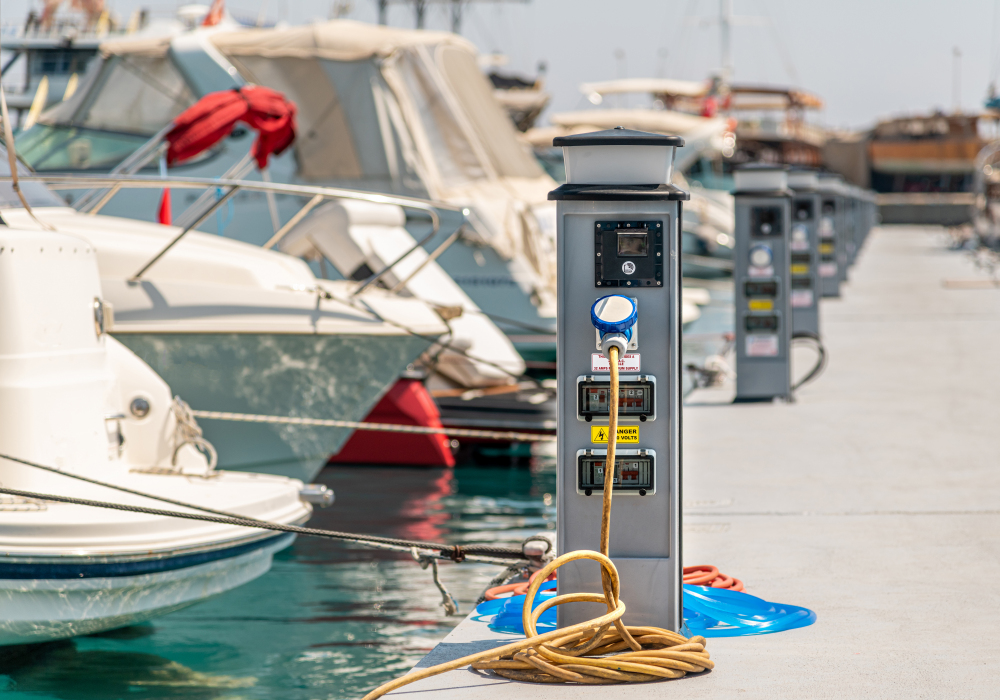
Many UK marina, harbour and launch site owners require you to have valid third-party cover before using their facilities. This protects them (and other boat owners) if your vessel causes injury or damage. Requirements vary, but £3 million of liability cover is a common minimum.
b) UK inland waterways
If you plan to use the UK’s inland waterways, you’ll often need a boat licence. As part of the licence application, you must show proof of at least £2 million of third-party liability insurance.
c) Cruising abroad
While insurance isn’t universally required in the UK, many European countries make boat insurance mandatory. Some, such as Spain, Italy, and Turkey, also require you to carry proof of cover in the local language.
d) Jet ski club / association membership
Most UK jet ski clubs and national bodies make holding third-party insurance a condition of membership. They typically require a minimum of £2 million to £3 million cover to protect the club and other members if you cause an accident or damage property.
e) Marine mortgages / loans
Insurance is often required if you’ve financed your jet ski with a marine mortgage or loan, with the lender asking you to insure the vessel against loss or damage. Similar to a home loan, this protects the lender’s advance, so you’ll typically need cover for at least the value of the loan throughout the repayment period.
2. Jet ski insurance is important for other reasons?
Even if you’re not otherwise required to prove you are covered, there are other good reasons to consider jet ski insurance:
a) Protect your finances
Accidents on the water can be costly, but liability cover can help protect you from the financial impact.
If you’re responsible for injuring someone while using your jet ski, compensation claims could exceed £1 million. Liability cover can also help with repair costs if you damage someone else’s property, such as another boat or a mooring.
When you factor in potential legal defence costs, it becomes clear how important liability cover is to help safeguard your financial wellbeing.
b) Protect your jet ski
Your jet ski is a valuable investment, and insurance can help cover the cost of repairs or replacement if it’s damaged or lost due to events like collisions, theft, vandalism, or severe weather.
While jet ski insurance isn’t usually a legal requirement in the UK, some countries do require liability cover. You may also need to show proof of insurance in certain situations, such as when using specific marinas or waterways. Even when it’s not mandatory, having the right cover in place can give you peace of mind and help protect you from unexpected costs.
What Factors Determine The Cost Of Jet Ski Insurance?
There are a few key things to think about when arranging cover, all of which will influence how much it will cost:
1. What value should you insure your jet ski for?
When deciding what value to insure your jet ski for, think about how much it would cost to replace it with a similar model in similar condition, including its features and equipment.
A good starting point is to check the current market value. If your jet ski is fairly new, the manufacturer’s website may help. You can also look at listings on boat sales sites to compare similar makes, models, ages, and specifications.
It’s important to choose a realistic value:
- If you set the value far too high you may be paying more premium than necessary.
- If you set the value far too low it may result in your boat being treated as a total loss following relatively minor damage, or to you having to make a contribution to the cost of a repair.
2. What cover do you want?
As outlined above, there are different types of boat insurance available, from core covers such as third-party liability and vessel loss or damage, to additional protection like trailers and personal belongings.
Some insurers bundle all of these into a single policy, which can be convenient but may result in you paying for cover you don’t need. Others allow you to tailor your policy so you only pay for the protection that suits your requirements.
Whichever option you choose, it’s important to understand what’s included and how each type of cover protects you.
3. Where will you use your jet ski?
Your cruising area defines the waters or regions where you plan to use your jet ski and want the insurance protection to operate. Most insurers offer a choice of broad geographical areas, while some allow you to define your exact cruising area on a digital map for more tailored cover.
4. Where will you keep your jet ski when not in use?
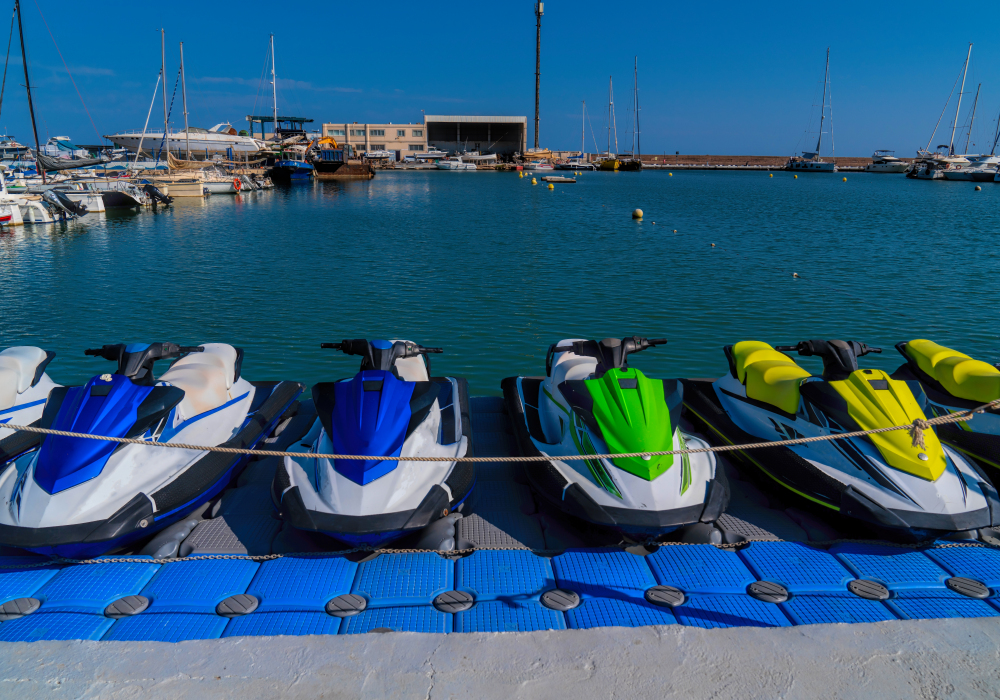
Insurers will want to know where your jet ski is stored or moored.
-
If moored, the type of mooring, its location and access security can all affect your cover and cost.
-
If stored ashore, factors like the type of storage facility, its location and security arrangements may be taken into account.
Providing clear information about mooring / storage arrangements will help ensure you get the right level of protection.
5. What will you use your jet ski for?
Most policies cover private leisure use as standard although higher-risk activities such as racing are usually excluded. Depending on your insurer, you may be able to extend your policy to include additional uses, such as:
6. Who will use your jet ski?
Just like car insurance, a significant part of the risk associated with a jet ski comes from the person at the controls rather than the machine itself. However, unlike motor vehicles, jet skis usually don’t require a licence to use them. Because of this, insurers increasingly rely on other indicators of experience and competence when calculating your premium, such as:
- Who is allowed to operate the jet ski?
- Their overall boating experience
- Their specific experience with jet skis
- Any relevant qualifications or certifications
What this means is that owners who are prepared to restrict who can be in control of the Jet Ski to relatively experienced, well qualified users, will tend to benefit from lower premiums.
How Can You Keep Your Jet Ski Premium Down?
As shown, your jet ski insurance premium is determined by several factors such as the vessel's value, who uses it and what you use it for. The insurer you choose will also affect the price as different providers offer different rates, discounts, levels of flexibility, and ways of managing your policy, whether that’s online, over the phone, or in person.
The good news is there are a few simple steps you should consider to help keep your premium down:
| Steps | Overview |
|---|---|
| Acquire jet ski qualifications |
Taking recognised training courses shows you know what you’re doing and take safety seriously, something insurers value, and which could help lower your premium. |
| Limit who can use your jet ski |
Restricting who can use your jet ski to experienced, qualified, and responsible users helps reduce risk so insurers will often reward this with discounts. |
| Improve your jet ski's physical security |
Using good-quality locks, alarms, immobilisers and other security equipment can help protect your jet ski from theft , while other measures such as security marking, tagging and GPS trackers are also worth considering. |
| Moor or store your jet ski safely |
Storing your jet ski in a secure marina, boatyard, or locked building when it’s not in use can help lower your insurance costs, especially if there’s on-site CCTV or 24-hour security. |
| Select a higher excess |
Choosing a higher excess, the amount you contribute if you make a claim, can help lower your annual premium, so it’s worth looking for an insurer that lets you pick an excess level that suits you. |
| Only choose cover you actually need |
If your insurer offers flexible cover options, take a moment to think about what you really need and choose only the ones that suit you. |
| Add higher cost covers only when you need them |
If you’re not planning to tow water skis or toys from day one, you can always add these options later, so you don’t pay for cover you don’t need upfront. |
| Select the right cruising area |
Only select the cruising area you know you’ll use, you can always expand it later if your plans change. |
| Update your cover promptly when things change |
If you lower your risk, such as by improving your vessel’s security, let your insurer know right away instead of waiting for renewal. It could help reduce your premium immediately. |
| Look out for hidden fees |
Some insurers may charge extra for making changes to your policy or for paying by instalments, so it’s worth keeping this in mind when choosing a provider. |
Taking a little extra time to think about the cover you need, choosing a provider that can adapt as your requirements change, and actively managing your policy throughout the year, can all help reduce the cost of your annual boat insurance.
How To Make A Jet Ski Insurance Claim?
If you need to make a boat insurance claim, knowing what to do in advance can make the process much smoother and less stressful. Whether the incident involves accidental damage, theft, fire, or a collision, the steps below will help guide you through it.
1. What to do immediately after an incident?
If you experience an incident on your jet ski, stay calm and act quickly. Follow these steps to protect everyone on board and make the claims process easier:
- Check everyone is safe and ensure all passengers are accounted for.
- Exchange details if another party is involved, but do not admit fault or liability.
- Prevent further damage where it’s safe to do so (for example, moving the jet ski to the land).
- Report serious incidents such as theft, vandalism, or collisions to the police or harbour authority and obtain a reference number.
- Document everything with clear photos or videos of the damage and scene.
- Make notes quickly while details are fresh, including time, location, and what happened.
2. Contact your insurer promptly.

Notify your insurer as soon as possible, even if you’re unsure whether you’ll claim. Early notification is often required by your policy.
When you do:
- Provide basic details of what happened, when, and where.
- Be ready to share information about others involved.
- Have supporting documents available, such as registration details, maintenance records, and purchase invoices, as these may be needed.
3. Submit your claim and support the process.
Once your claim is underway, accurate information and cooperation will help avoid delays:
- Complete all claim forms fully and accurately.
- Provide all requested documents promptly.
- Make your jet ski available for inspection if required.
- Avoid discussing or admitting liability with other parties without speaking to your insurer and getting their agreement.
4. Assessment, settlement and repairs.
Your insurer or claims handler will review the details and confirm cover under your policy.
- Review any settlement offer carefully and ask questions if anything is unclear.
- Once agreed, repairs or payments will be arranged. Keep all receipts and invoices for any related costs.
- If your jet ski is a total loss, your claims handler will guide you through the next steps, including salvage considerations.
5. After your claim is settled.

Once everything is complete, it’s worth taking a few final actions:
- Check your cover still meets your needs, especially after any repairs or upgrades.
- Use the experience to improve safety and reduce the risk of future incidents.
- Be honest with insurers in the future, any loss or incident will need to be disclosed when arranging future cover.
6. Quick claim checklist:
- Prioritise safety and secure the vessel if possible.
- Take photos and record key details.
- Do not admit fault or agree settlements independently.
- Report incidents promptly.
- Submit forms and documents quickly and accurately.
- Cooperate with inspections and surveys.
- Keep all receipts and records.
Following these steps can help ensure your claim is handled efficiently and with fewer complications, so you can get back on the water sooner.
How To Avoid A Jet Ski Claim Being Declined?
Understanding your jet ski insurance policy is essential to ensure you’re properly covered when you need it most. Below are some of the most common issues that can lead to claims being declined, and how you can avoid them.
| Reasons Claims Are Declined | How To Avoid A Problem |
|---|---|
| Failure to Meet Security Requirements |
Jet ski theft is a significant issue, accounting for around 40% of claims. Because of this, insurers often require specific security measures such as locks, alarms, immobilisers, or secure storage conditions. Make sure you fully understand the security requirements set out in your policy and follow them at all times. Failing to meet these conditions could invalidate a claim. |
| Use by an Ineligible Person |
Who uses your jet ski plays a major part when assessing the insurance risk. Policies often include strict criteria relating to age, experience, or qualifications. If someone who doesn’t meet these requirements uses your jet ski and has an accident, your claim may be rejected. Always check that anyone using your jet ski, including yourself, meets the policy’s user criteria, and avoid 'letting someone have a go' unless you are certain they are covered. |
| Operating Outside the Approved Area |
Insurance policies typically define a “cruising area,” which sets out where you are insured to use your jet ski. This may include specific coastal regions and distance limits (e.g. within 3 miles offshore). Using your jet ski outside these limits is unlikely to be covered. Familiarise yourself with your policy’s cruising area and stay within it. If you plan to travel further, ensure you update your insurance in advance. |
| Failing to Take Proper Care |
Most policies include a general requirement to take reasonable care of your jet ski. This may include keeping it well maintained, using it responsibly, and ensuring it is not operated by someone who is unfit (e.g. under the influence of alcohol). Keep your jet ski in a seaworthy condition through regular maintenance. Use it carefully and only allow responsible, insured individuals to operate it. |
| Leaving the Jet Ski Unattended Afloat |
Insurers will often decline a claim if your jet ski was left 'unattended' in the water away from it specified mooring location (e.g. tied to a buoy while you go for lunch). To minimise the risk of this, ensure that a responsible person is always close enough to your jet ski that they can monitor it and intervene quickly if there is a problem (e.g. the mooring rope comes lose). |
| Not Updating Changes in Circumstances |
Owners will often first arrange or renew their insurance based on their circumstances at that time. However, if something changes, such as where your jet ski is stored, it could affect your coverage. For example, moving it from a secure, locked facility to an open area with public access may increase the risk of theft. Inform your insurer of any changes during the policy period. Keeping your policy up to date helps ensure you remain fully protected. |
By staying aware of these common pitfalls and keeping your policy details up to date, you can reduce the risk of unexpected issues and enjoy your jet ski with greater peace of mind.
What Are The Key Jet Ski Insurance Take Aways?
1) What are the types of cover?
- There are two core covers to consider:
- Third Party Liability: Helps protect you financially if you’re found responsible for injuring someone, damaging their property, or causing pollution while using your jet ski.
- Vessel Loss or Damage: Covers the cost of repairing or replacing your jet ski if it’s lost or damaged due to events like accidents, theft, fire, or severe weather.
- Other covers can be added depending on your needs such as protection for your trailer or personal belongings, no claims discount or mooring fees.
- Policies come with exclusions and conditions which vary by provider so always check policy wordings carefully.
2) Why is jet ski insurance important?
- You may be required to show proof of insurance when using marinas, navigating inland waterways, joining clubs, or visiting certain countries.
- It helps protect you financially if you injure someone or damage their property, or if your jet ski is lost or damaged.
3) What affects the cost of your jet ski insurance?
- The value of your jet ski and the level of excess.
- Where and for what will you use it.
- Where it is stored when not in use.
- Who will be using it and their experience.
- The level and type of cover you choose.
4) How can you reduce your jet ski insurance premium?
- Gain relevant qualifications.
- Improve the security of your jet ski and storage location.
- Limit who uses your jet ski to experienced riders.
- Don't buy cover on day one if you can add it later when you want it.
- Keep your policy up to date as your needs change.
5) What should you do if you need to make a claim?
- Ensure everyone is safe after the incident
- Take notes and photos of the incident
- Secure the jet ski as much as possible.
- Don’t admit fault or liability
- Contact your insurer as soon as you can
- Provide your insurer with accurate and complete details
6) How to avoid a jet ski claim being declined?
- Ensure you meet all security requirements for the jet ski and where you keep it.
- Restrict who can use it to people who meet the eligibility criteria.
- Only use your jet ski within the defined cruising area.
- Keep your jet ski well maintained and use it responsibly.
- Don't leave your jet ski unattended in the water.
- Keep your cover up to date if your circumstances change.
Find Out More
Author: Bob Bevan

Bob is an insurance expert with over 40 years of industry experience. He co-founded Visicover and led the development of its award-winning online boat insurance product.
See more...