A Short Guide To Helicopter Insurance
Choosing the right helicopter insurance is essential, not just to make sure you’re properly protected, but also to avoid paying for cover you don’t need.
| This guide looks at: |
Also in this series: |
What Are the Types of Helicopter Insurance?
1. Aircraft Loss or Damage
Aircraft loss or damage cover aims to meet the cost of repairing or replacing your aircraft after events such as accidents, theft, fire, or storm damage.
Be aware that malicious damage such as vandalism, is often not included as standard and may only be available if you add War & Allied Perils cover.

2. Third Party & Passenger Liability
Aircraft owners and operators are legally required to hold liability cover to protect against claims for injury, property damage, or third-party loss resulting from the operation of the aircraft.
Minimum legal limits vary depending on aircraft weight, usage, and number of seats, but many owners choose higher voluntary limits for added protection.
3. Other Helicopter Insurance Covers
There are a range of other aircraft insurance covers, further details of which can be found by clicking the links below:
- Betterment
- War and Allied Perils (e.g. Vandalism)
- Road Transportation
- Courtesy Aircraft
- Crown Indemnity
- Passenger Voluntary Settlement
- Airside Vehicle Liability
- Spare Parts and Equipment
- Flying Clothing and Effects
- Trip Interruption
- Personal Accident cover
- Finance / Lease Contract
- No Claims Discount Protection
Some insurers bundle such covers into a single package but this can result in paying for extras you may not need. Choosing a provider that lets you customise your cover can help you stay fully protected without overspending.
What Are Common Exclusions or Restrictions on Helicopter Insurance?
Every policy is different, but most aviation insurance plans include general exclusions such as:
- Using the aircraft illegally or for a non-permitted purpose
- Flying outside the policy’s agreed geographical limits
- Allowing a pilot who is not included under the policy to fly
- Reckless or unsafe operation
- Wear, tear, mechanical breakdown, or gradual deterioration
- Failure to keep the aircraft properly maintained or manned
Most insurers will also require you to:
- Take reasonable steps to protect the aircraft
- Ensure you and all pilots comply with aviation laws and safety regulations
- Report any loss or potential claim promptly
- Avoid admitting fault without the insurer’s consent
- Provide accurate, up-to-date information
- Always be honest in your dealings with them
Always check the policy wording carefully, as exclusions and requirements vary between insurers.
What are the Geographical Limits of Your Cover?
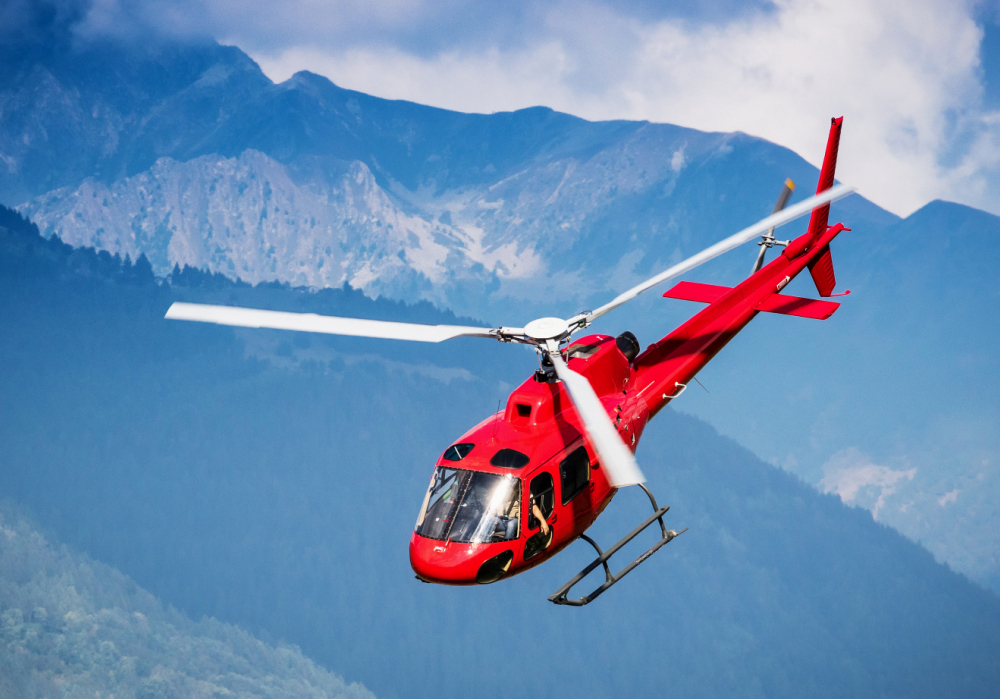
The Geographical limits define where your aircraft is insured to fly. You will generally be offered a range of ‘geographical area’ options, with the wider the area, the higher the premium.
If you need coverage outside Europe or need to fly in higher-risk regions, insurers may assess the request individually before approving it.
What Can You Use Your Helicopter For?
Many policies restrict aircraft use to private and pleasure flying which may exclude:
- Air displays
- Student training
- Commercial operations
If you need cover for such use options, you can usually add it for an additional premium. Ensuring your policy accurately reflects how the aircraft will be used helps prevent gaps in cover while avoiding paying for cover you don’t require.
Who Will Pilot Your Helicopter?
There are two main ways in which you can arrange for pilots to be covered under your Aircraft Insurance policy:
1. Named Pilots
Under the named pilot option you list specific individuals, including their experience, history and licence details, who are authorised to fly the aircraft.
This is usually the lower cost option and ideal where there are few pilots, all of whom are known to the policyholder.
2. Open Pilots Warranty
With the open pilot option, instead of listing specific pilots, you define criteria (minimum hours, licence type, maximum age, etc.) that a pilot must meet.
This is the more flexible option and is ideal for large syndicates, flying schools or if the aircraft is rented out.
Both options can be combined, for example using an open pilot warranty to cover most flyers while naming any pilots who are outside the open pilot criteria.
Key takeaways: You are legally required to hold liability insurance for your aircraft, while also covering it against loss or damage will help protect your investment in buying it. There are a range of covers available so you should be able to tailor your policy to your needs based on where you use you aircraft, what you use it for and who you allow to pilot it.
| Next in this series → |
| 5 Tips to Optimise Your Aircraft Insurance and Reduce Your Premiums |
| Important tips to help you reduce your premiums, optimise your cover and enjoy flexible, affordable protection. |
| READY TO GET COVERED? |
| Get a helicopter insurance quote in minutes |
| Customise your cover, pay only for what you need, and manage your policy fully online. Underwritten by Allianz. |
| Get Quote About Helicopter Cover |
Author: Bob Bevan

Bob is an insurance expert with over 40 years of industry experience and over 10 years in aviation insurance. He co-founded Visicover and led the development of its award-winning online aircraft insurance product.
See more...