
A Short Guide to Sailing Boat Insurance
Choosing the right sailing boat insurance is essential, not just to make sure you’re properly protected, but also to avoid paying for cover you don’t need.
| This guide looks at: |
Also in this series: |
What Are the Types of Sailing Boat Insurance?
1. Vessel Loss or Damage
Vessel Loss or Damage insurance helps protect you against the cost of repairing or replacing your sailing boat if it’s affected by events such as accidental collision, theft, fire, or storm damage.
You can usually choose the level of cover you need, ideally reflecting the full cost of replacing your boat with a similar craft. Depending on your boat’s value, insurers may offer either market value or agreed value options, with the premium, and the amount payable in the event of a total loss, varying based on the option you select.
2. Third Party Liability
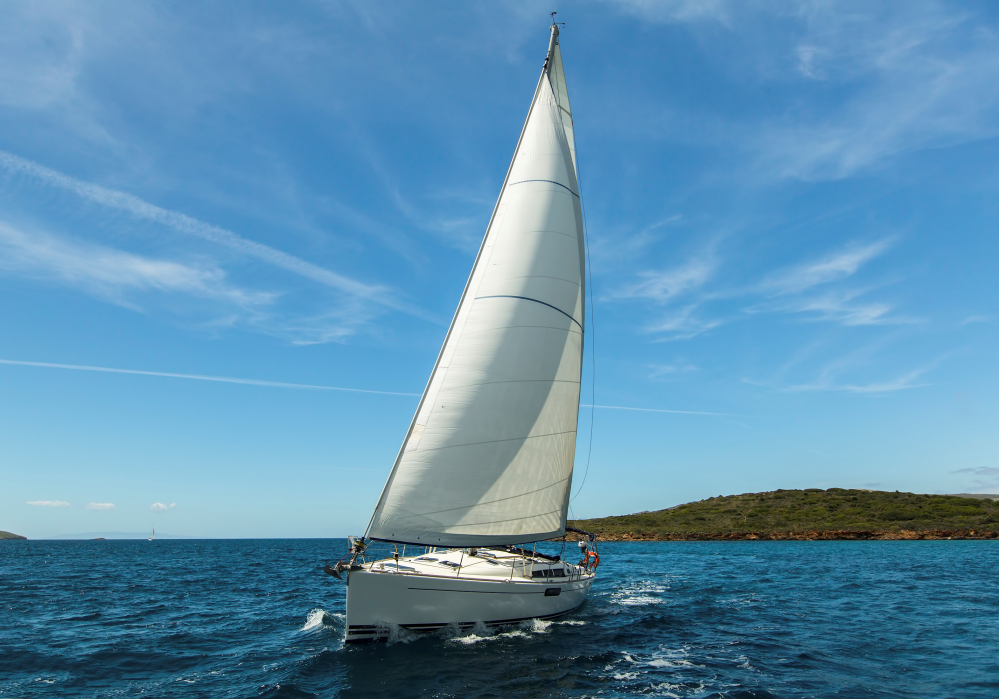
Third Party Liability insurance helps protect you from potential liabilities you may incur to other people for death, injury or property damage arising from the use of the sailing boat. Most insurers provide a set level of liability cover, but some allow you to choose a higher limit for added protection, with premiums adjusted accordingly.
While having liability cover is not mandatory in the UK for most leisure boats, it may be required if you wish to navigate certain inland waterways or to use a commercial marina. In addition, countries such as Spain, Italy and Greece may require you to prove you have liability cover in place.
3. Other Sailing Boat Related Insurance Covers
There are a range of related covers available, further details of which can be found by clicking the links below:
- Tender Cover
- Trailer Cover
- Outboard Cover
- Personal Belongings
- Personal Accident
- Medical Expenses
- Emergency Accommodation
- Emergency Travel
- Emergency Breakdown
- Search & Rescue Costs
- Marina Benefits
- Machinery Extension
- Replacement Locks & Keys
- Courtesy Vessel
- Mooring Fees
- NCD Protection
Some insurers bundle such covers into a single package, but this can result in paying for extras you may not need. Choosing a provider that lets you customise your cover can help you stay fully protected without overspending.
What Are Common Sailing Boat Insurance Exclusions or Restrictions?
Every policy is different, but most boat insurance plans will exclude losses arising from:
- Using the vessel for an illegal or non-permitted purpose.
- Navigating the boat outside the geographical limits of the policy.
- Failure to ensure the vessel is properly manned or maintained.
- Reckless acts by anyone in charge of the vessel.
- Wear, tear, depreciation, or similar deterioration.
- Damage by Insects, vermin, barnacles, marine growth, corrosion, rot, rust etc.
Most insurers will also require you to:
- Take reasonable steps to look after the vessel.
- Ensure anyone using it is competent to do so.
- Ensure that if moored, the vessel is in a safe, properly maintained location.
- Comply with any regulations relating to the safe operation of the vessel.
- Provide them with accurate, current information.
- Always be honest in your dealings with them.
Always check the policy wording carefully, as exclusions and requirements vary between insurers.
Where Does My Sailing Boat Cover Operate?
When choosing sailing boat insurance, it’s important to understand exactly where your cover applies. There are two key factors to consider:
1. Your Intended Cruising Area
Your cruising area refers to the specific regions, waterways, or types of waters where you plan to operate your sailing boat and where you’ll want the protection of your insurance.
Most insurers offer a drop-down list of broad geographical zones to choose from. However, some modern providers now allow you to draw your exact cruising area on a digital map, giving you more tailored and flexible cover.
2. Where Your Sailing Boat Is Kept When Not in Use
Insurers also need to know where your boat will be kept when not in use.
-
If moored.
The type of mooring, its location and who can access it may affect your cover and premiums. -
If stored ashore.
Insurers may consider how and where your boat is stored, including the type of premises and the level of security in place.
Carefully considering your cruising area and mooring / storage arrangements can help ensure you get the right level of protection, wherever your boat is located.
What Can I Use My Sailing Boat For?
Most sailing boat insurances include cover for standard “private and pleasure” use. This typically means you can enjoy your boat for leisure purposes, although some insurers may exclude higher-risk activities such as club, national or international racing.
Depending on your insurer, you may be able to extend your policy to include additional uses, such as:
Who Can Use My Sailing Boat?
Just like with cars or aircraft, a significant part of the risk associated with a sailing boat comes from the person operating it—not the vessel itself. However, unlike those other forms of transport, boats usually don’t require a licence to use them. Because of this, insurers increasingly rely on other indicators of experience and competence when calculating your premium, such as:
- Who is allowed to operate the sailing boat?
- Their overall boating experience
- Their specific experience with sailing boats
- Any relevant qualifications or certifications
By restricting who can be in control of your vessel you can often benefit from lower insurance premiums as insurers tend to reward responsible ownership and clear evidence that the vessel will be operated safely.
Key takeaways: While having boat insurance is not always compulsory in the UK, you may on occasion be asked to prove you are covered and it can also be important to protect the investment you have made in your vessel. There are a range of covers available so you should be able to tailor your policy to your needs based on where you use you boat, what you use it for and who you allow to use it.
| Next in this series → |
| How to Cut the Cost of Your Boat Insurance |
| Important tips to help you reduce your premiums, optimise your cover and enjoy flexible, affordable protection. |
| READY TO GET COVERED? |
| Get a sailing boat insurance quote in minutes |
| Customise your cover, pay only for what you need, and manage your policy fully online. Underwritten by Allianz. |
| Get Quote About Sailing Boat Cover |
Author: Bob Bevan

Bob is an insurance professional with over 40 years of industry experience. He co-founded Visicover and led the development of its award-winning online boat insurance product.
See more...